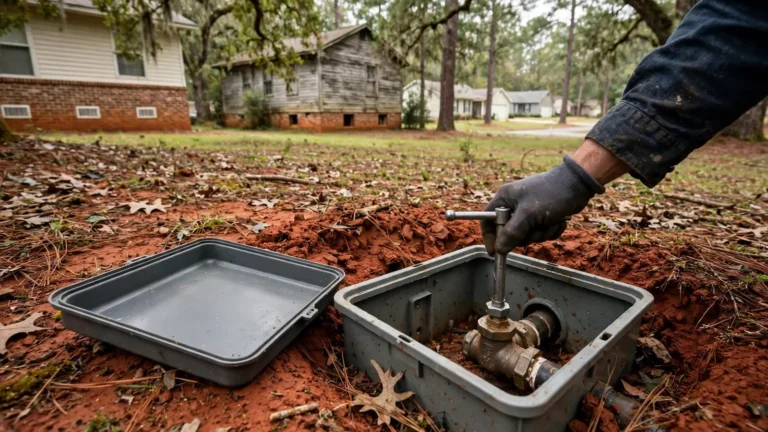
Greenville County water providers: who supplies your water
Greenville Water, Greer CPW, small rural systems or a private well: how to tell which one serves your address, who to call for outages and billing, and what differs.
Why the bill jumped, why the shower is weak, and what is actually in the water coming out of your tap.
Most homes in the county buy water from Greenville Water, but sewer can come from the city, MetroConnects or a septic tank, and that split decides a lot of what shows up on your bill. These guides use the posted 2026 rates, so you can do the math for your own house instead of guessing.
If the problem is a leak you can hear or a meter that spins with everything off, our leak detection page covers what a plumber checks first. Not sure who supplies your water? Start with the water providers guide.
Greenville Water, Greer CPW, small rural systems or a private well: how to tell which one serves your address, who to call for outages and billing, and what differs.
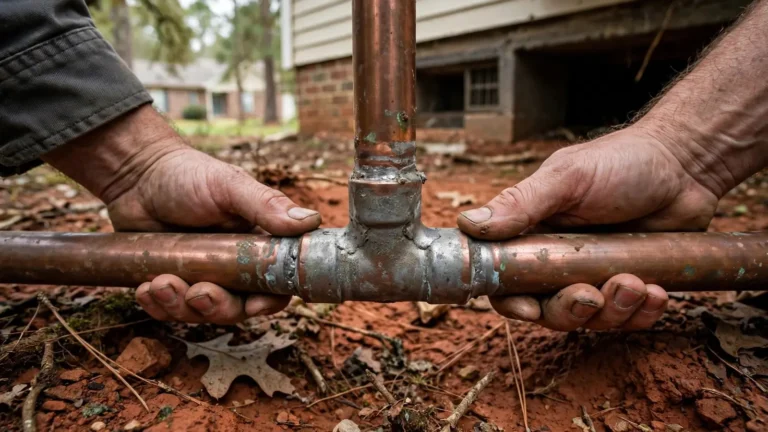
Greenville Water and Greer CPW report no lead service lines. Here's what EPA's inventory rule required, where lead can still hide in older homes, and how to test.
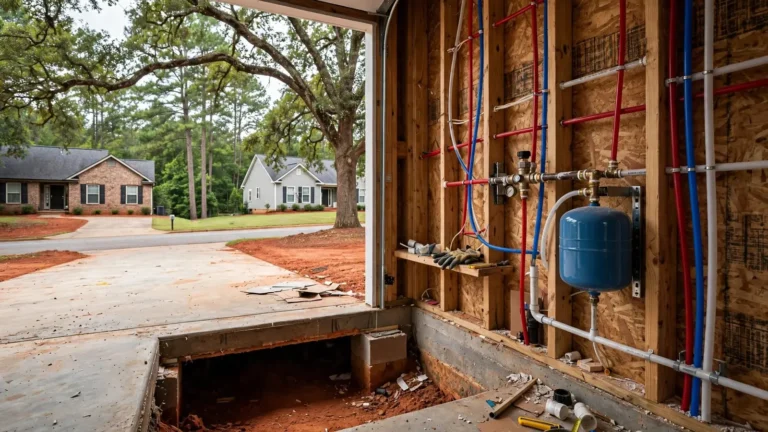
One faucet or the whole house? How to sort out aerators, PRVs, galvanized pipe, utility problems and well tanks, and who to call at Greenville Water or Greer CPW.

Greenville Water reports about a third of a grain of hardness per gallon. Here's who in Greenville County might need a softener, how to test, and what to buy instead.
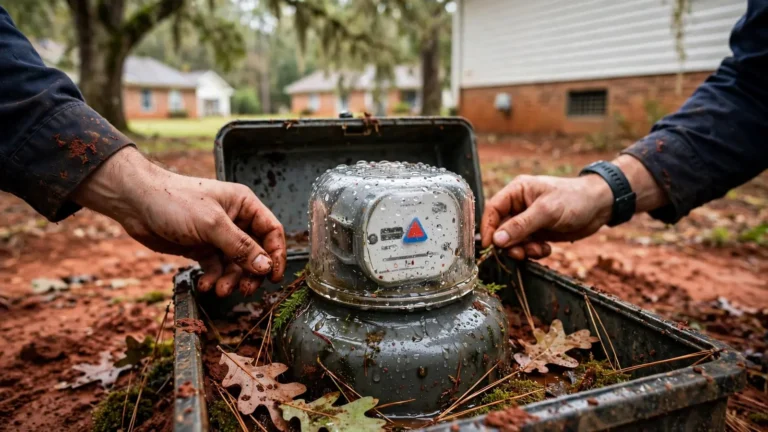
A step-by-step way to find what's running up your bill, what a leak costs at 2026 Greenville Water, MetroConnects and ReWa rates, and when you can ask for an adjustment.