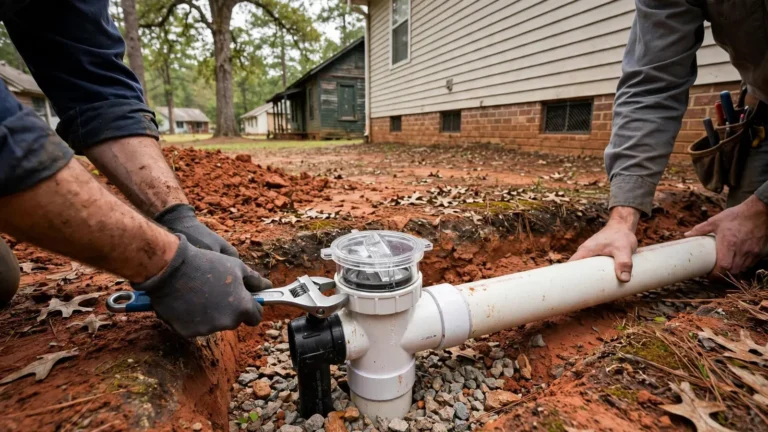
Sump pump basics for Upstate homes: when you need one and where the water goes
When a Greenville County home actually needs a sump pump, the types, battery backups, a five-minute test, and the ReWa rule on where the water can't go.
For homes off the city lines, and for anyone who watched water get where it should not during Helene.
A good part of the county, especially north toward Travelers Rest and out past Greer, runs on a septic tank, a private well, or both. Those systems come with upkeep that city homes never think about. The storm posts come from what Helene showed us in 2024: power out for days, well pumps down, and crawlspaces full of water.
For urgent problems, see our emergency plumber page.
When a Greenville County home actually needs a sump pump, the types, battery backups, a five-minute test, and the ReWa rule on where the water can't go.
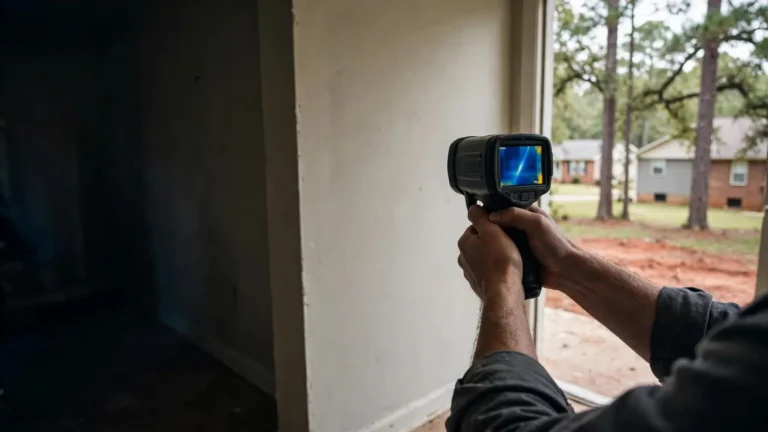
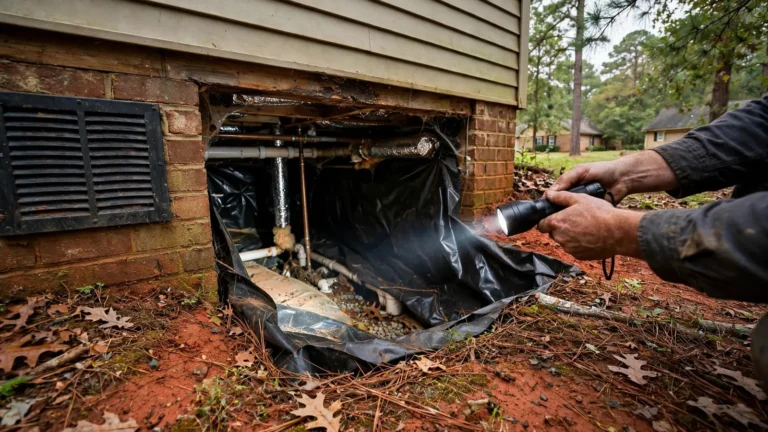
A meter test, timing and smell tell you whether crawlspace water is rain or a leak. Plus Upstate clay, grading, gutters, vapor barriers and who to call.
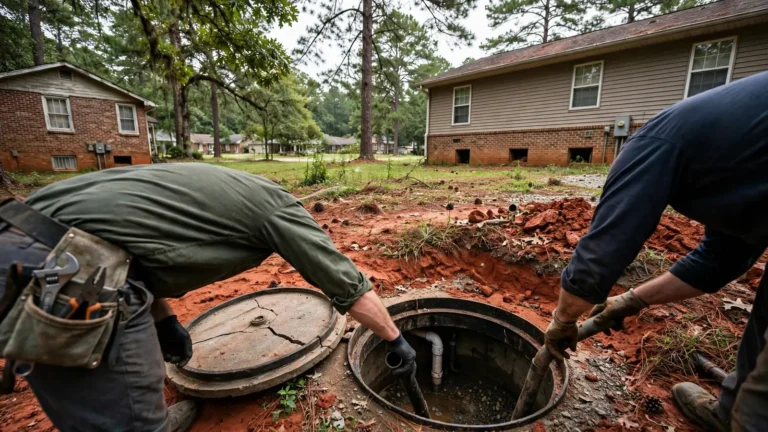
How often to pump, what SC DES requires, how Upstate red clay changes drainfield care, and what to check before buying a house with septic.
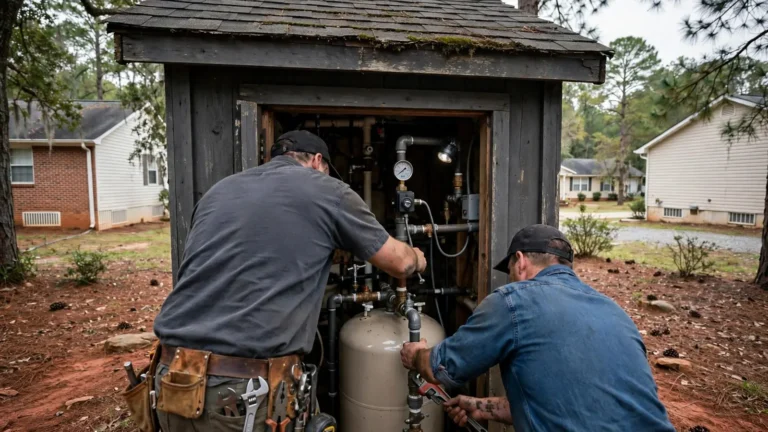
What to check when the well quits: breaker, pressure switch, tank air charge, storm damage, SC DES water testing, and when to call a plumber or a well driller.
Helene left much of Greenville County without power for days. Here's what happened to wells, water heaters and sump pumps, and how to restart them safely.